Deciding on Aesthetic Treatment in Chandigarh: Which Factors Should Guide Your Choice?
Two people may request the very same aesthetic treatment yet require very different treatment plans. An individual worried about abdominal bulk might have fat accumulated in a particular area, while a second person might have excess skin or alterations in abdominal muscle structure. In the same way, noticeable hair thinning does not automatically mean a transplant is the appropriate next step. The useful starting point is understanding the concern before choosing a technique.
For anyone comparing a cosmetic surgeon in Chandigarh, understanding this distinction carries greater value than a fashionable treatment label. A thorough evaluation relates the improvement being sought with anatomical factors, general health, expected recovery and achievable results. Whether the concern involves body contour, unwanted hair or scalp coverage, clinical assessment and a detailed discussion should provide greater clarity about the available choices.
Identify the Concern Before Selecting a Treatment
Many individuals come to their first appointment with a particular cosmetic procedure in mind. Perhaps they have come across a photograph, viewed a video showing a procedure or heard about somebody else's experience. These references can help explain preferences, yet they do not confirm that an identical treatment is appropriate for someone else.
Begin by explaining the concern in ordinary language. For example, clothing may feel comfortable except around a specific area. Alternatively, frequent shaving might irritate the skin. You may have noticed that a widening hair parting is increasingly visible in photographs. Every such explanation provides the clinician with a particular concern to examine.
Clarify what kind of change would be meaningful to you and which compromises you would not accept. An individual who cannot manage the demands of postoperative recovery could reach a different conclusion than somebody able to organise time off for recovery. An individual who prefers a very short hairstyle may place particular importance on the visibility of donor-area scarring.
An effective consultation transforms a general preference into a realistic treatment goal. It should also establish whether the chosen treatment might fail to address the underlying problem.
Look Beyond Search Descriptions When Assessing Surgeons
Looking for the best plastic surgeon in Chandigarh can provide an initial selection of names, yet that description is not evidence of suitability for a particular patient. The same applies to descriptions such as leading plastic surgeon Chandigarh. Such labels should prompt more specific questions concerning professional qualifications, appropriate experience, clinical judgement and accountability.
Check the surgeon's recognised specialist training and present registration status. Explore experience with the particular procedure being considered, particularly how patients are assessed for suitability and how complications are managed. Experience in one operation does not automatically answer questions about every other aesthetic treatment.
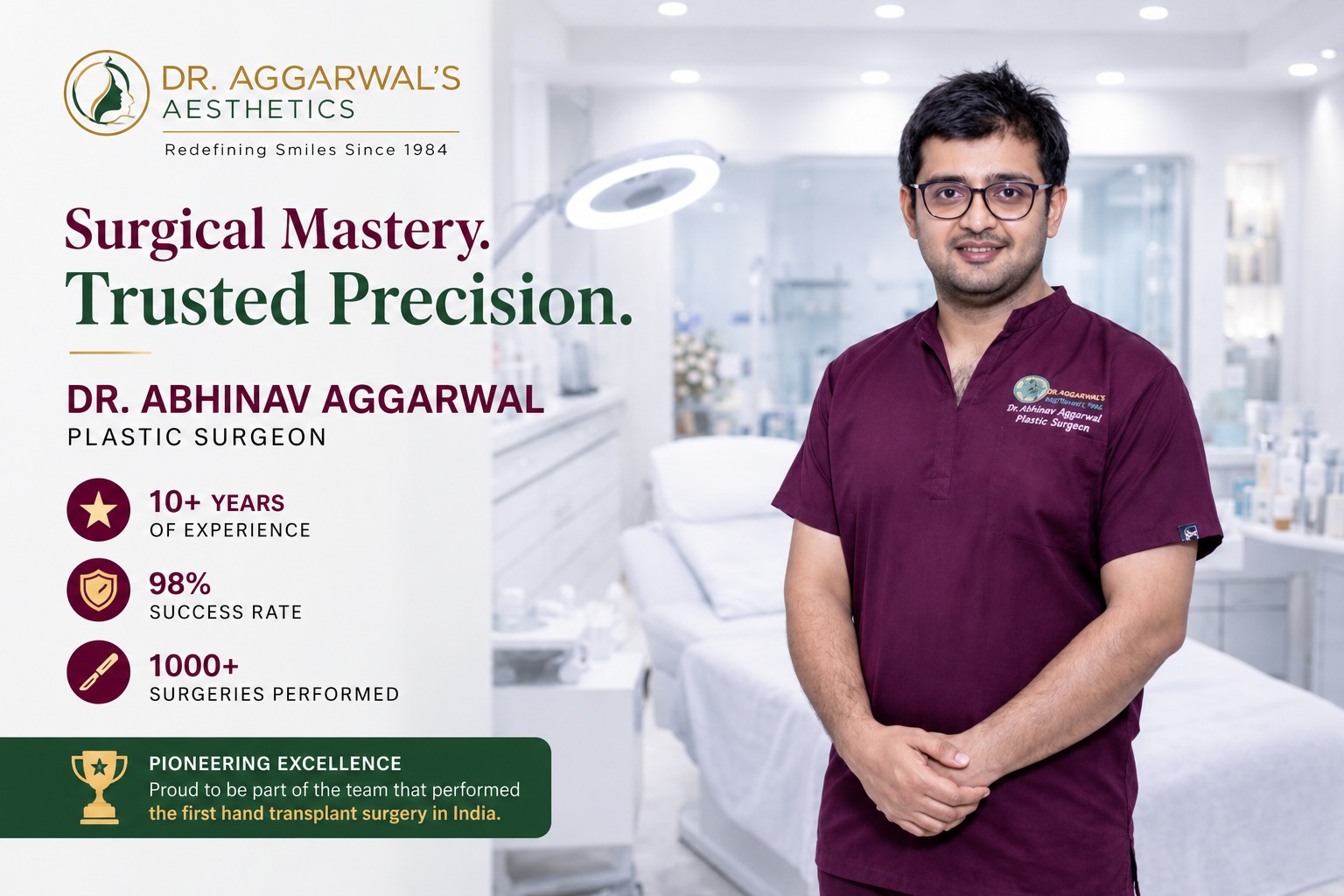
Individuals evaluating Dr. Aggarwals Aesthetics or Dr. Abhinav Aggarwal should consider the same practical assessment criteria. Establishing who is responsible for performing the procedure, which professional manages anaesthesia where necessary, and who supervises postoperative recovery offers a more meaningful basis for comparison than advertising descriptions.
Consider how openly limitations and uncertainties are communicated. A considered response might explain practical limitations, alternative approaches or a recommendation to wait. A clinician's readiness to refuse a procedure that is not suitable is an important part of clinical decision-making.
Body Contouring Requires More Than Identifying Excess Fat
People researching liposuction surgery Chandigarh often want a more proportionate outline rather than a major change in body weight. Liposuction removes localised fat and is not a treatment for obesity or a replacement for weight management. The suitability of this procedure is influenced partly by the tissues around the intended treatment area.
Skin elasticity matters because the skin must adapt to the changed contour. Taking away excess fat does not necessarily improve markedly loose skin. Similarly, abdominal fullness arising from deeper tissues or changes in the abdominal muscles could call for consideration of other approaches.
Think about an individual who has maintained a consistent weight but who notices persistent fullness around the waist. Their needs may not be the same as those of a person with marked excess skin after losing a considerable amount of weight. While both people might describe their abdomen as excessively bulky, the underlying problem is different.
The consultation should address likely contour improvement, any current asymmetry, where scars may occur and the risk of remaining contour unevenness. Ask what the procedure is unlikely to change. Having clear expectations about these restrictions helps avoid interpreting a technically suitable operation as a comprehensive answer to every issue affecting the region.
Skin and Hair Evaluation Matters Before Laser Hair Removal
Evaluating a laser hair removal clinic Chandigarh should involve more than comparing packages or counting sessions. Treatment outcomes can vary according to individual factors such as hair characteristics, skin tone, the treatment area and the equipment and settings used.
Laser treatment targets pigment associated with the hair follicle. Hair growth occurs in cycles, meaning several treatment sessions are usually required instead of just one. Expected hair reduction and the potential need for later maintenance should be discussed individually.
A suitable initial assessment takes account of recent sun-related tanning, earlier reactions involving the skin, medications that may matter and medical factors influencing hair growth. Darker skin tones require particular attention to suitable technology and settings as the surrounding skin must be protected against avoidable injury.
Find out who carries out the skin evaluation, who administers the procedure and how medical oversight is provided. Appropriate eye protection and understandable pre-treatment guidance should form part of the process. Short-term skin redness or swelling may develop, and possible complications include burns and changes in skin pigmentation. A lower treatment cost is hard to compare fairly unless the initial evaluation, level of supervision and post-treatment care are clearly explained.
Hair Restoration Decisions Should Account for Future Hair Loss
The best hair transplant clinic in Chandigarh for a particular person cannot be identified by a promised graft total alone. Hair transplantation moves hair from available donor areas. It does not create an unlimited supply, and the pattern of future hair loss remains relevant.
Before planning the distribution of transplanted hair, the specialist needs to consider the reason for hair loss, the donor supply, condition of the scalp and the progression or stability of thinning. For some patterns of hair thinning, medical evaluation or treatment should take place before considering an operation.
Planning the hairline requires particular attention. Setting the hairline very low may look desirable in the beginning yet it may consume donor hair that could be valuable in future. Hairline planning needs to reflect the patient's age and facial proportions and the possibility that surrounding untreated hair will continue to thin.
Discuss how the treatment plan aims to achieve both coverage and density. Although connected, they represent distinct objectives: distributing donor grafts over a larger region can reduce the density possible in individual sections. Scarring is possible with either of the commonly used donor-hair extraction methods, but the appearance and distribution of those scars can vary. The clinician should explain these differences together with potential complications such as limited graft growth, infection or an unnatural-looking outcome.
The Treatment Setting Is Part of the Decision
When assessing a cosmetic surgery clinic Chandigarh, the facilities should be considered with reference to the demands of the intended treatment. A consultation room, a laser treatment area and an operating facility must meet different requirements depending on their purpose. Attractive interiors cannot establish whether the setting is appropriate for a particular procedure.
For a surgical procedure, find out the location in which the operation will occur along with the arrangements for administering anaesthesia and monitoring recovery. Clarify what equipment and trained personnel are available if an unexpected problem occurs. If appropriate, ask how a patient would be transferred to a facility offering more advanced care.
For less invasive procedures, supervision and escalation arrangements still matter. Patients ought to be aware of which clinician would examine any abnormal reaction and how an urgent clinical review is organised.
While evaluating a plastic surgery clinic Chandigarh, check that the level of care offered matches the demands of the intended procedure. The practical question is whether the setting, staff and recovery arrangements match the needs of the individual patient.
Recovery Has Several Milestones, Not One Finish Date
One general recovery timeframe may overlook meaningful distinctions. Managing basic communication from the comfort of home does not necessarily mean someone can travel to work without difficulty, lifting equipment, attending a public event or returning to strenuous exercise.
Describe your normal routine during the consultation. Seated employment, outdoor tasks, manual work and family care obligations create different demands. Planned journeys can influence when treatment should be scheduled as well as the person's availability for postoperative assessments.
Ask for separate expectations about discomfort, the appearance of swelling, care of healing wounds, restrictions on daily activities and the expected timeframe for judging results. Swelling following an operation may initially conceal changes in body shape, whereas evaluating hair restoration takes patience as new growth becomes apparent gradually.
Plan the assistance you may need based on the intended treatment. Support could include organising a journey home after receiving sedation, help managing routine responsibilities or taking time off from strenuous duties. Use the recovery guidance provided by your clinician instead of copying someone else's timeline. Personal recovery patterns, the scope of the procedure and medical circumstances can all alter how recovery develops.
Understand the Full Scope of Care Behind a Treatment Price
An initial price displayed in an advertisement is rarely enough for an accurate comparison between treatment options. The more useful amount is the estimated price of the complete treatment plan, supported by a detailed explanation of what is included in the quotation.
For an operation, establish whether the quoted amount covers evaluation, investigations, anaesthesia, facility charges, prescribed garments and scheduled reviews are covered. Enquire about how extra treatment or follow-up would be managed when recovery takes longer than anticipated or complications need medical care.
For laser procedures, establish the exact regions included, how a course is structured and what happens if the skin needs a longer interval between sessions. When discussing hair transplantation, ask how the graft number corresponds to the planned coverage and donor availability.
The aim is to prevent misunderstandings about what care is provided. Written details help patients compare similar services while identifying situations in which seemingly different charges correspond to quite different levels or arrangements of treatment.
Understanding the Limitations of Treatment Photographs
Before-and-after photographs can illustrate the surgeon's work, but they cannot predict an individual result. The lighting conditions, patient's positioning, distance from the camera and stage of recovery may influence the appearance of the result.
Request images showing patients with concerns similar to yours. A result in someone with firm skin might provide limited guidance for an individual with considerable skin laxity. In the same way, the appearance of transplanted hair coverage varies according to the thickness of individual hairs, differences in colour and the hairstyle used.
Ask which aspects of the photographs are relevant to your situation and which are not. Clarify whether the photographs were taken after recovery had progressed sufficiently or while results were still developing. Pre-existing differences in appearance and variations in healing also deserve consideration.
Other patients' experiences may reveal relevant information about communication, scheduling and the support received. It is less reliable as a measure of technical suitability for another person. Combine photographs and feedback with examination findings, recognised qualifications and a clear medical explanation supporting the proposed approach.
Recognise When Waiting Is the Better Plan
Attending an appointment does not mean you must undergo treatment. In certain situations, the greatest benefit is a better understanding of the concern, advice to undergo additional evaluation or the choice to reconsider treatment at another time.
Delaying a procedure may be reasonable when health-related issues need to be addressed, there are major changes in weight, hair loss needs further assessment or the necessary recovery arrangements cannot be made. The clinician should clearly relate the reasons for waiting to the individual's situation rather than giving an unclear or unexplained rejection.
The right time for a procedure is another consideration. Choosing treatment because of pressure surrounding an upcoming occasion, a time-limited offer or somebody else's wishes can reduce the time available for thinking through the implications. Aesthetic treatment should reflect a person's own considered goals.
Before giving your consent, ensure you can describe the recommended treatment, its expected advantages, important risks and other available options using your own understanding. Should any of these points still be uncertain, best plastic surgeon in chandigarh another discussion can be more valuable than an immediate commitment.
Conclusion
Selecting an aesthetic procedure in Chandigarh can feel more straightforward when the choice is based on a particular need and an understandable clinical plan. Recognised training, findings from an examination, properly equipped facilities, practical treatment goals and consistent follow-up support all deserve attention. Whether the intended treatment involves reshaping body contours, reducing unwanted hair with a laser or restoring scalp hair, a well-informed choice is one you can describe with confidence: why this approach suits your situation, what its limitations are and how recovery will fit into your life.